About Micronized Glass Powder
White Glass Powder
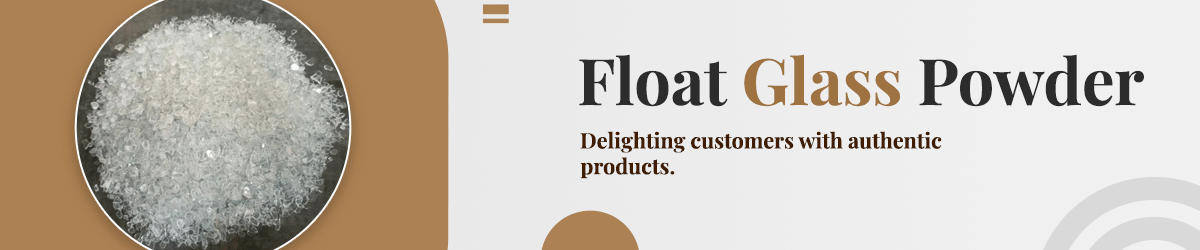
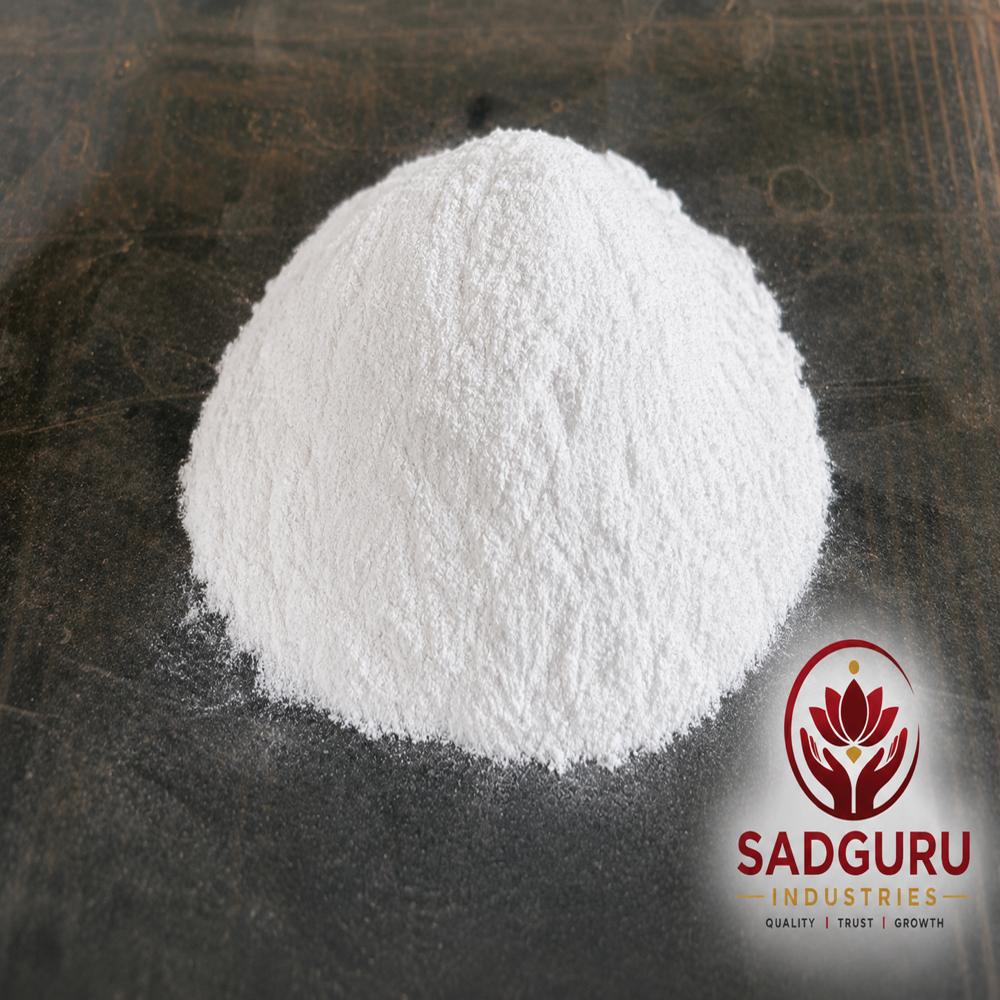
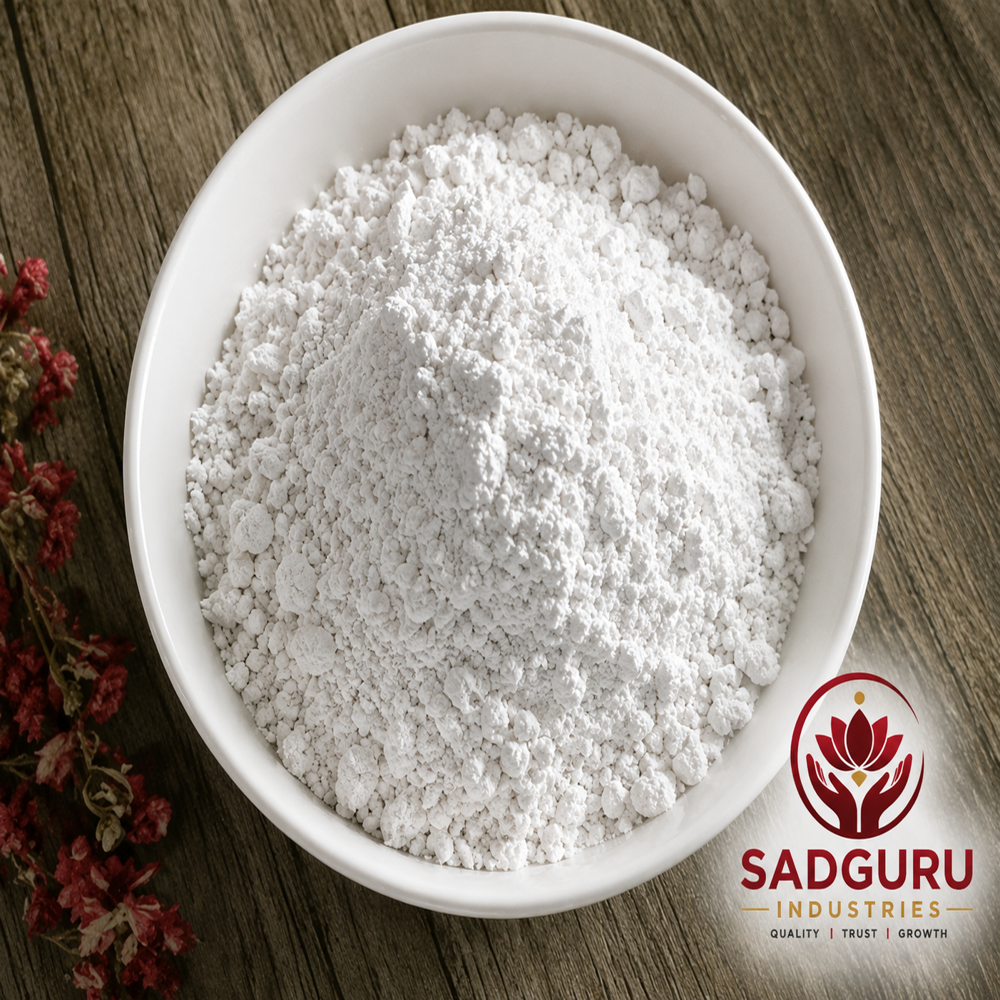
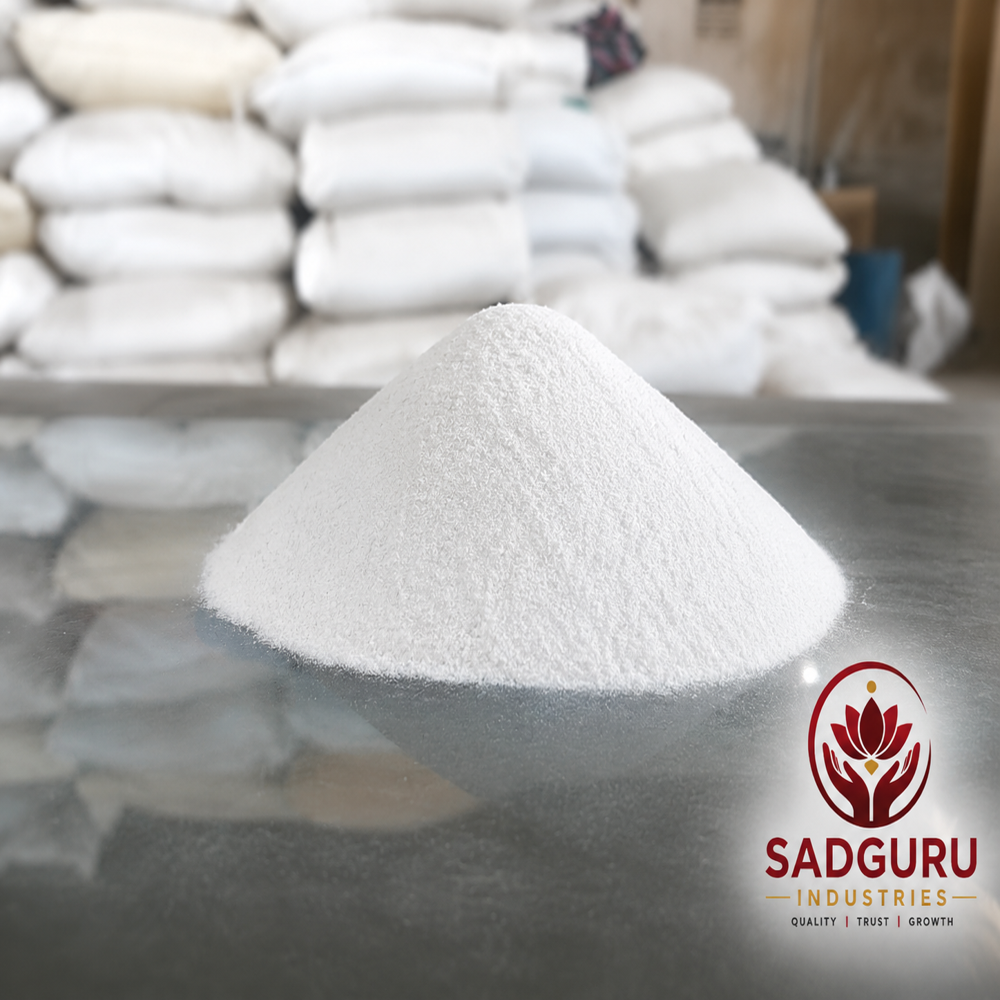
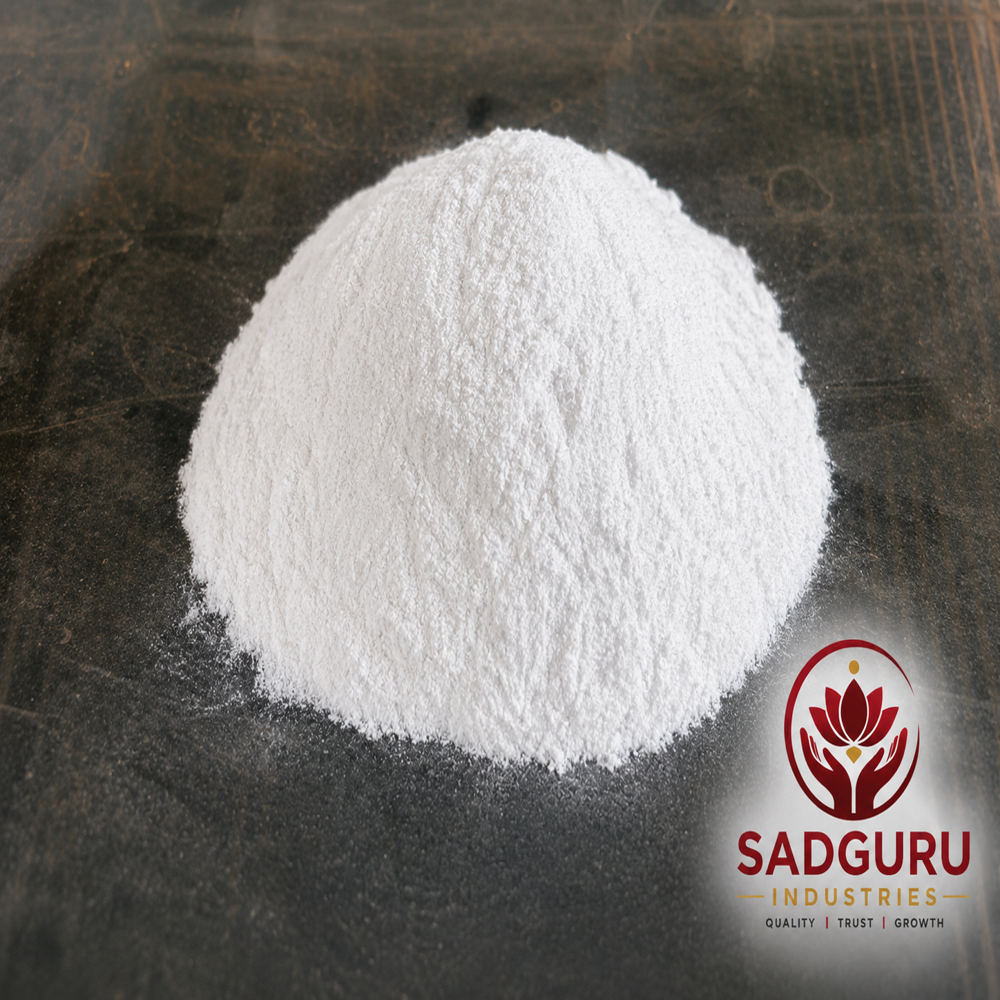
White Glass Powder is a high-quality, finely processed glass powder manufactured from premium-grade white glass. It offers excellent whiteness, consistent particle size, and high purity, making it suitable for a wide range of industrial applications. Our glass powder is produced using advanced grinding and quality control processes to ensure superior performance and reliable results.
It is widely used in the ceramic, glass, paint, coating, construction, epoxy, adhesive, decorative, composite, and chemical industries. White Glass Powder enhances product strength, improves surface finish, increases durability, and provides excellent chemical and thermal stability.
Features
- High purity and superior whiteness
- Uniform particle size distribution
- Excellent chemical resistance
- High hardness and durability
- Low moisture content
- Eco-friendly and recyclable material
- Excellent compatibility with various industrial formulations
Applications
- Ceramic and vitrified tile manufacturing
- Glass and fiberglass industry
- Paints and powder coatings
- Epoxy flooring and resin systems
- Construction materials and cement products
- Decorative finishes and terrazzo flooring
- Adhesives and sealants
- Composite materials
- Chemical processing industries
Specifications
- Product Name: White Glass Powder
- Color: White
- Form: Fine Powder
- Purity: High
- Particle Size: Available as per customer requirement
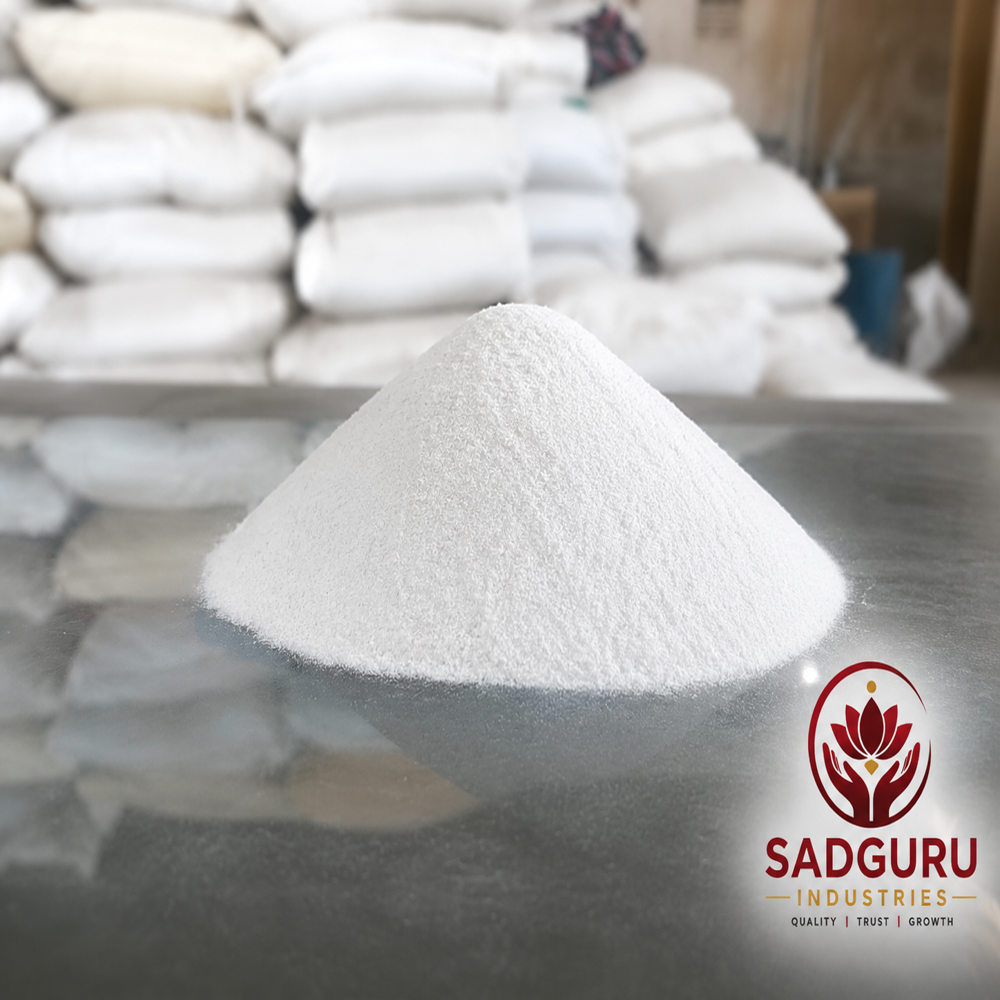
- Packaging: 25 kg, 50 kg bags or customized packaging
- Origin: India
We manufacture and supply premium-quality White Glass Powder with consistent quality and customized particle sizes to meet the specific requirements of our customers. Bulk orders and OEM packaging are available at competitive prices.
Exceptional Quality and PurityManufactured from high-grade, amorphous silica, this micronized glass powder offers exceptional purity (>99%) and consistency. Each batch is produced according to strict industrial and ISO standards, ensuring reliability in various demanding applications. Its neutral pH and absence of odor or taste enable seamless incorporation into multiple product formulations, making it ideal for manufacturers seeking durable and high-performance fillers.
Versatile ApplicationsThis fine glass powder is compatible with most resins and fillers, making it suitable for industries such as paints, plastics, rubber, abrasives, construction, and ceramics. Its white color and high refractive index enable its use in both functional and decorative products. Its insolubility in water and thermal stability further expand its usability in formulations exposed to heat or humidity.
Safe Handling and StorageMicronized Glass Powder is non-toxic, non-poisonous, and classified as an inorganic compound. For best results, store in a cool, dry place away from moisture, keeping the original HDPE packaging sealed. Shelf stable under proper storage, it retains its properties and ensures safe handling during manufacturing processes.
FAQ's of Micronized Glass Powder:
Q: How should micronized glass powder be stored to maintain its quality?
A: Store micronized glass powder in a cool, dry location, away from moisture and direct sunlight. Keep it sealed in its original 25 kg or 50 kg HDPE bags to ensure maximum shelf stability and avoid contamination.
Q: What benefits does this glass powder provide when used as a filler in industrial applications?
A: The powder's high purity, consistent particle size, inertness, and compatibility with most resins and fillers enhance mechanical strength, improve durability, and reduce shrinkage or thermal expansion in finished products. Its neutral color and stability enable versatile use across numerous industries.
Q: Where is micronized glass powder commonly used?
A: It is widely employed as a functional filler in the manufacture of paints, rubber, plastics, abrasive materials, construction products, and ceramics. Its properties make it suitable both structurally and aesthetically in these applications.
Q: What is the process of incorporating micronized glass powder into a product formulation?
A: The powder is typically blended directly with resins, binders, or other fillers during mixing or compounding stages. Given its compatibility, it disperses easily, providing uniformity and improved product performance in the final output.
Q: Is this glass powder safe for handling and use in manufacturing?
A: Yes, this micronized glass powder is non-toxic, non-poisonous, and classified as an inorganic compound. It has no odor or taste and poses minimal health risk when proper industrial hygiene practices are followed.
Q: When does micronized glass powder show optimal performance?
A: Optimal performance is achieved when the powder is incorporated within the recommended particle size range (10-40 microns) and under conditions where moisture exposure is minimized. This ensures consistent filler behavior and longevity in end products.





 Send Inquiry



 Send Inquiry
 Send Inquiry
 Send SMS
 Call Me Free