About Glass Powder for Industrial Use
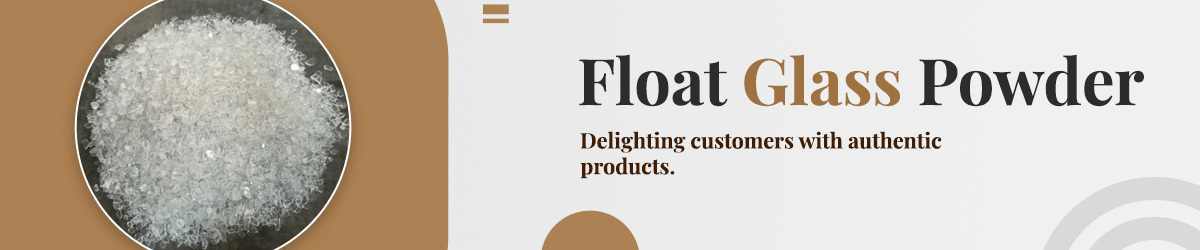
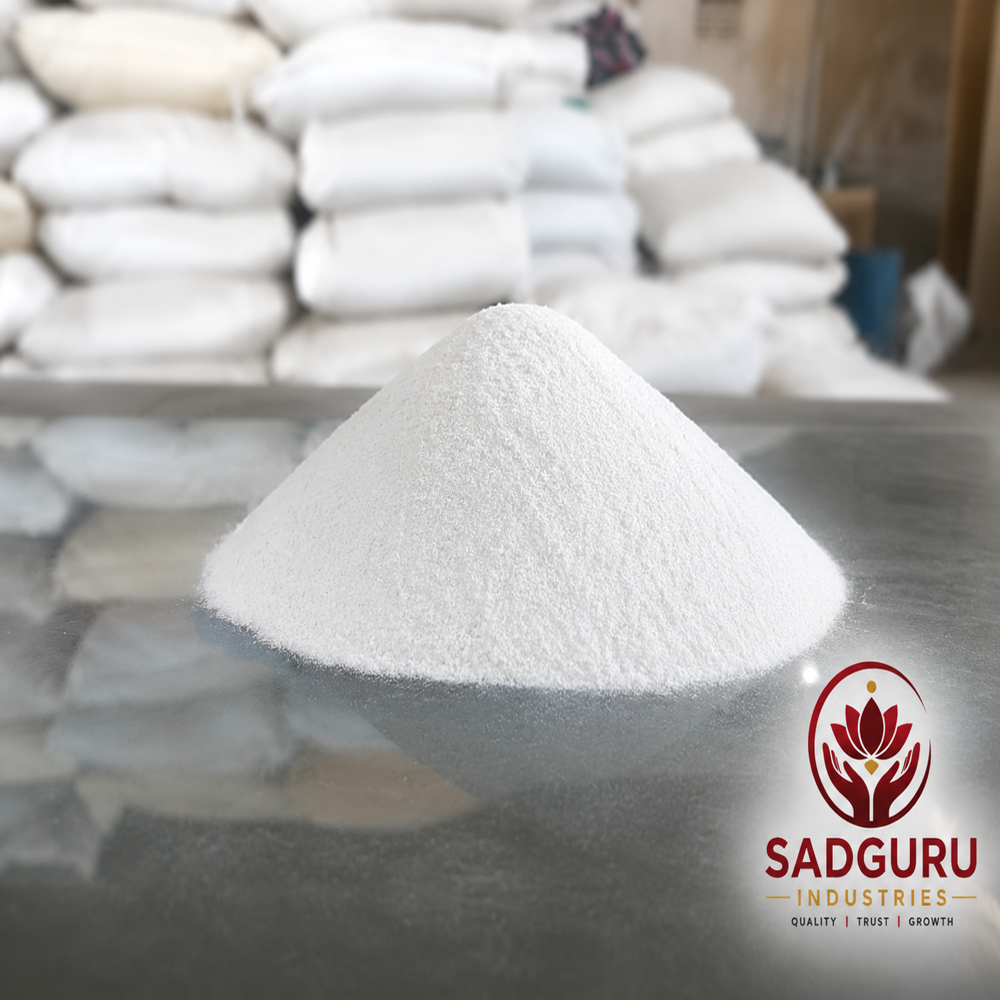
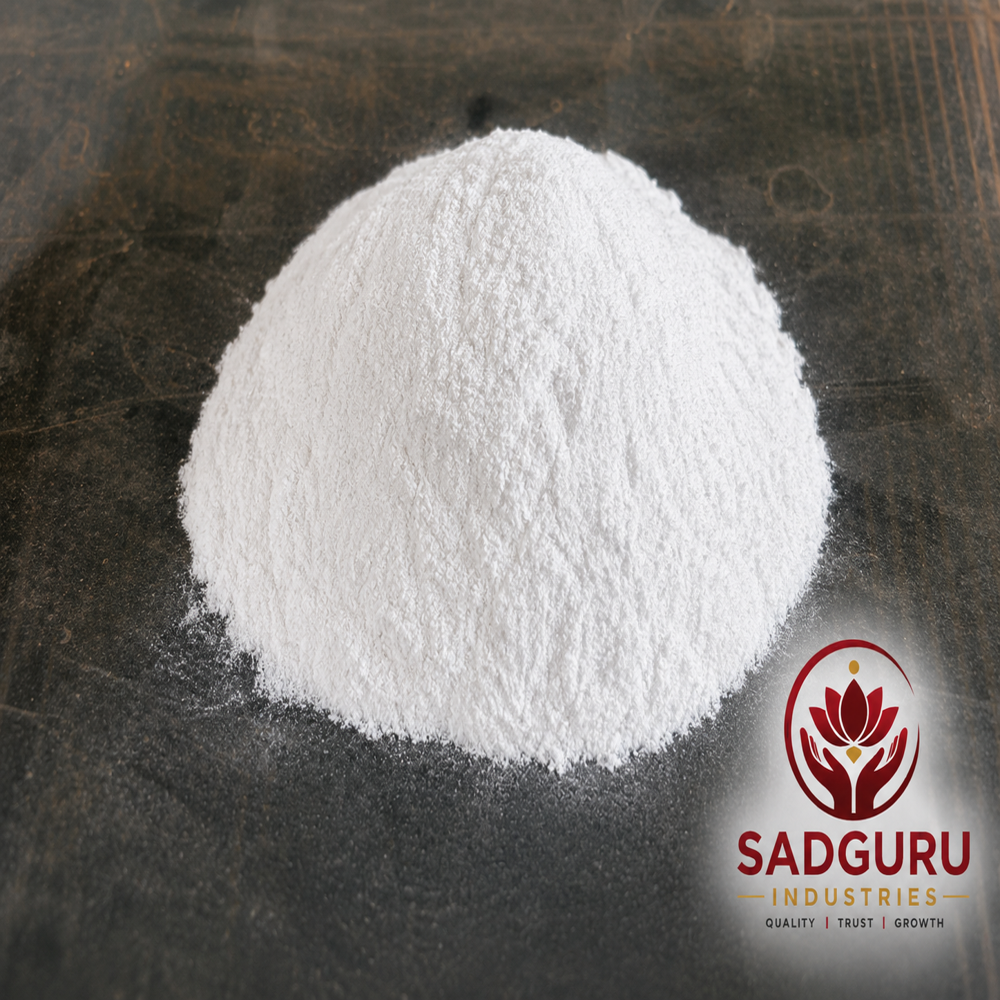
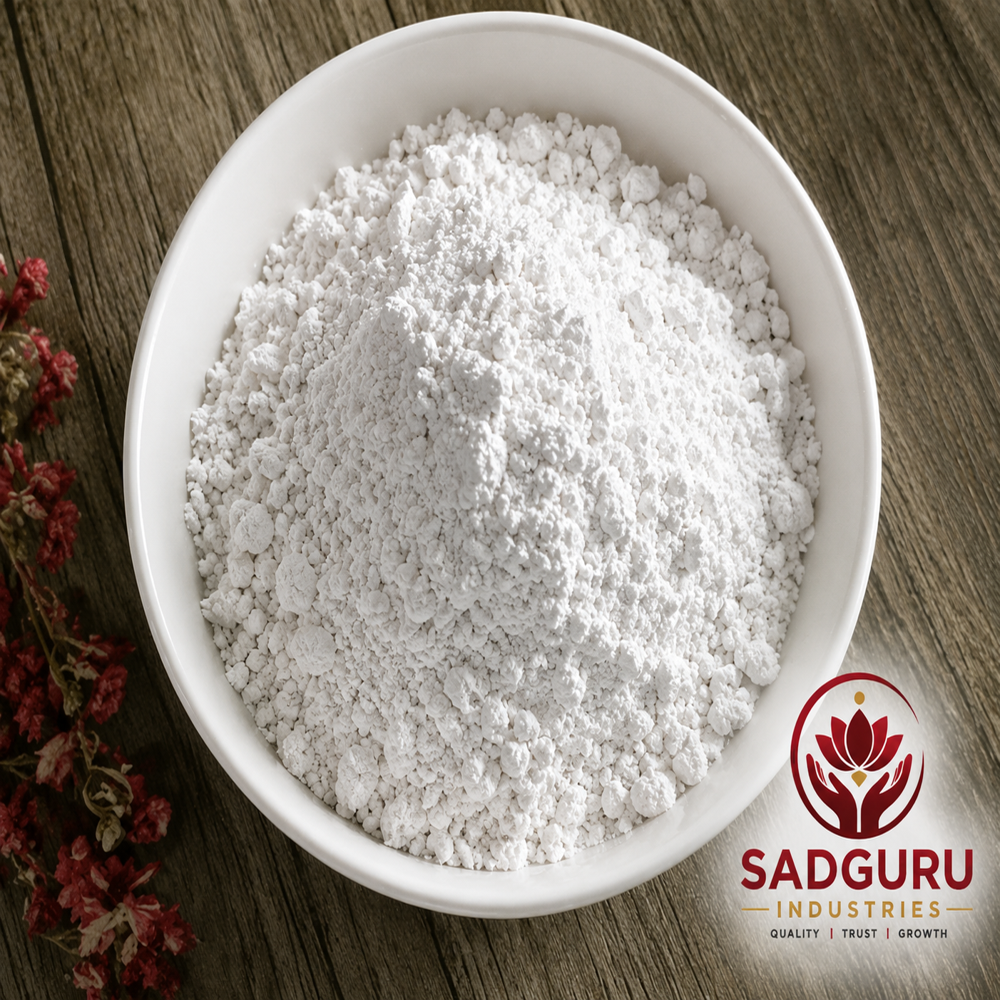
White Glass Powder
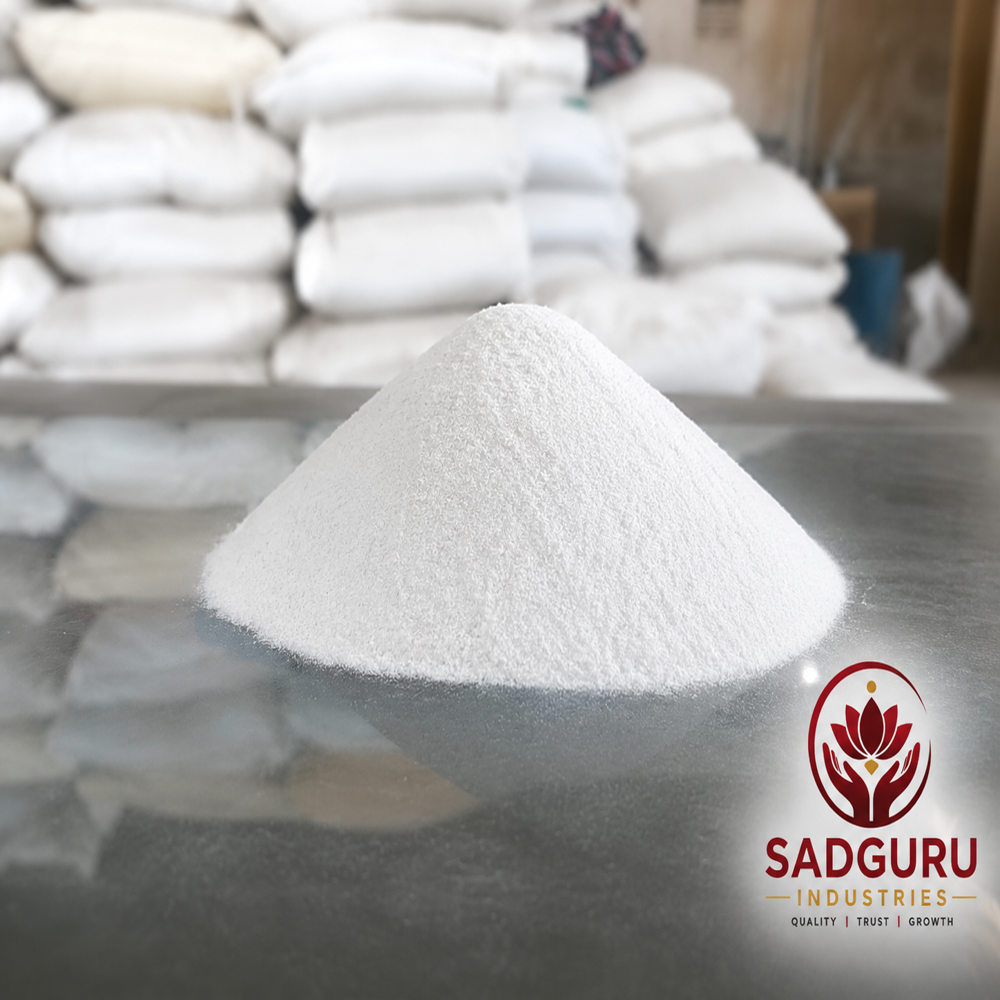
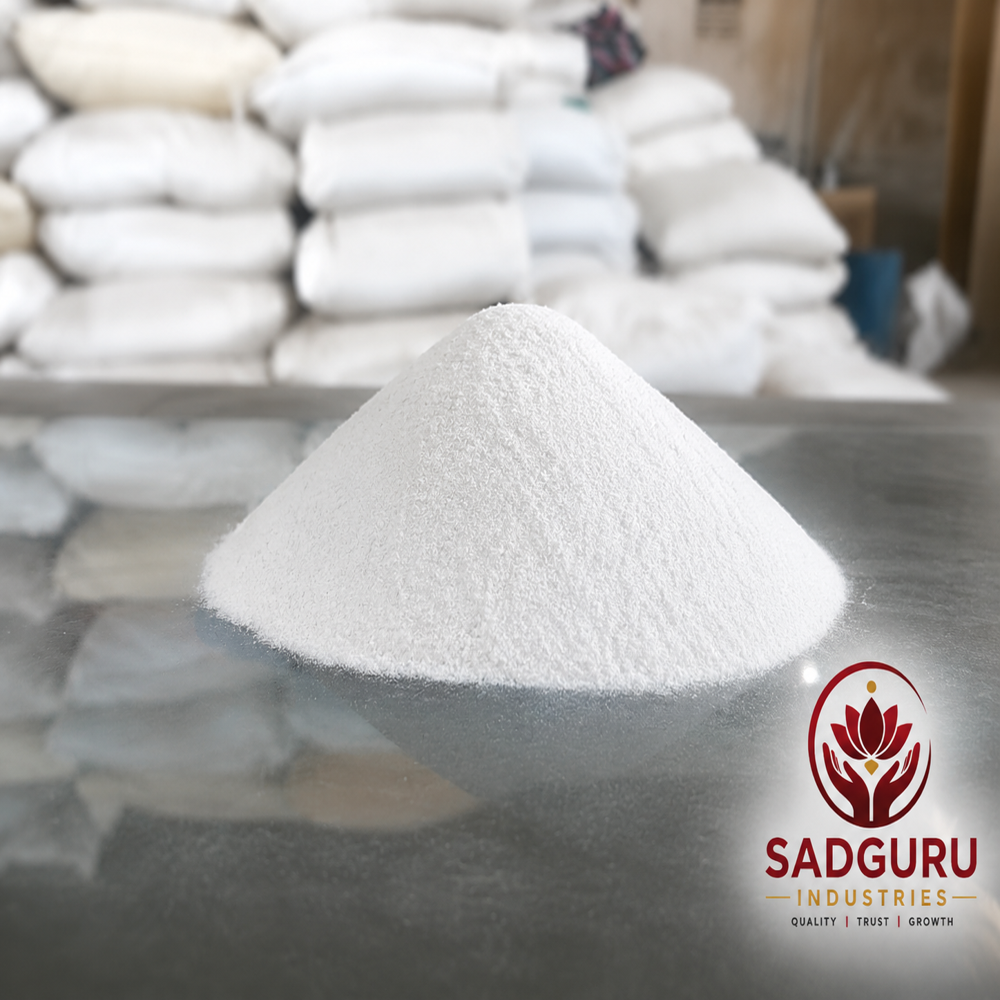
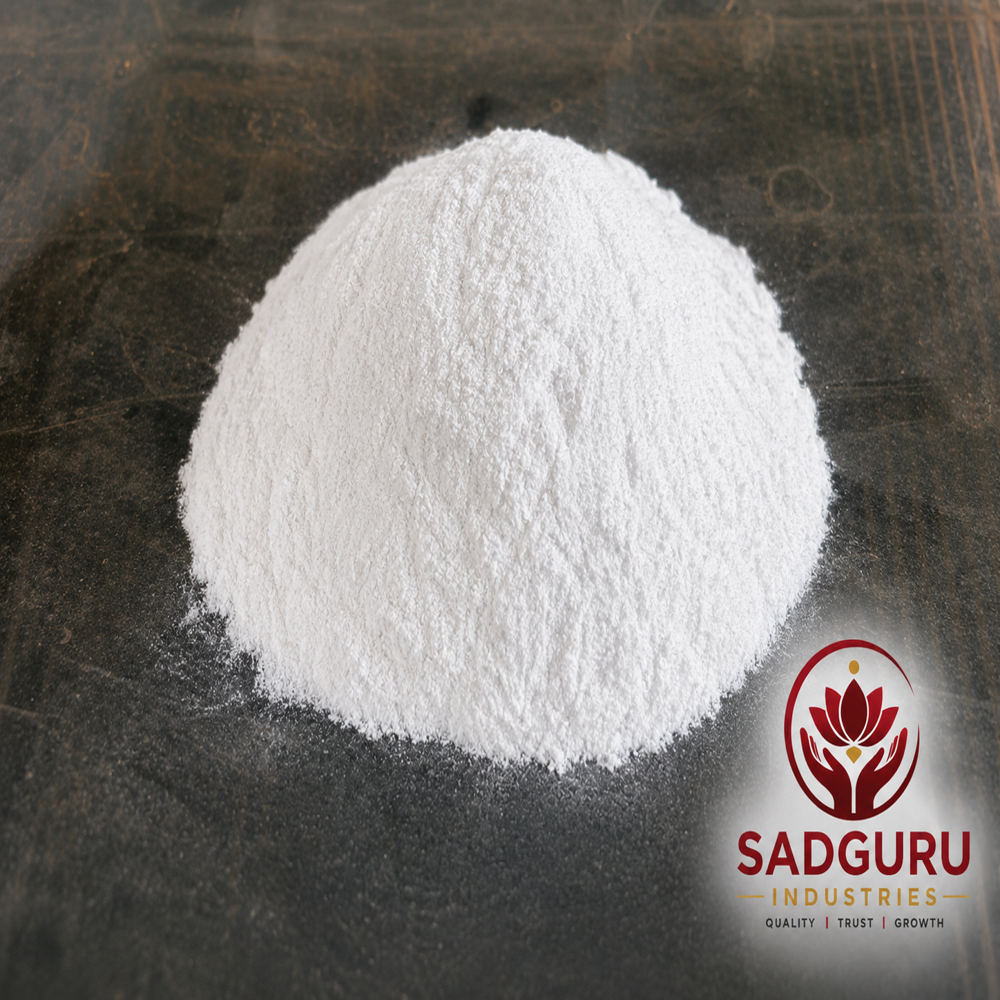
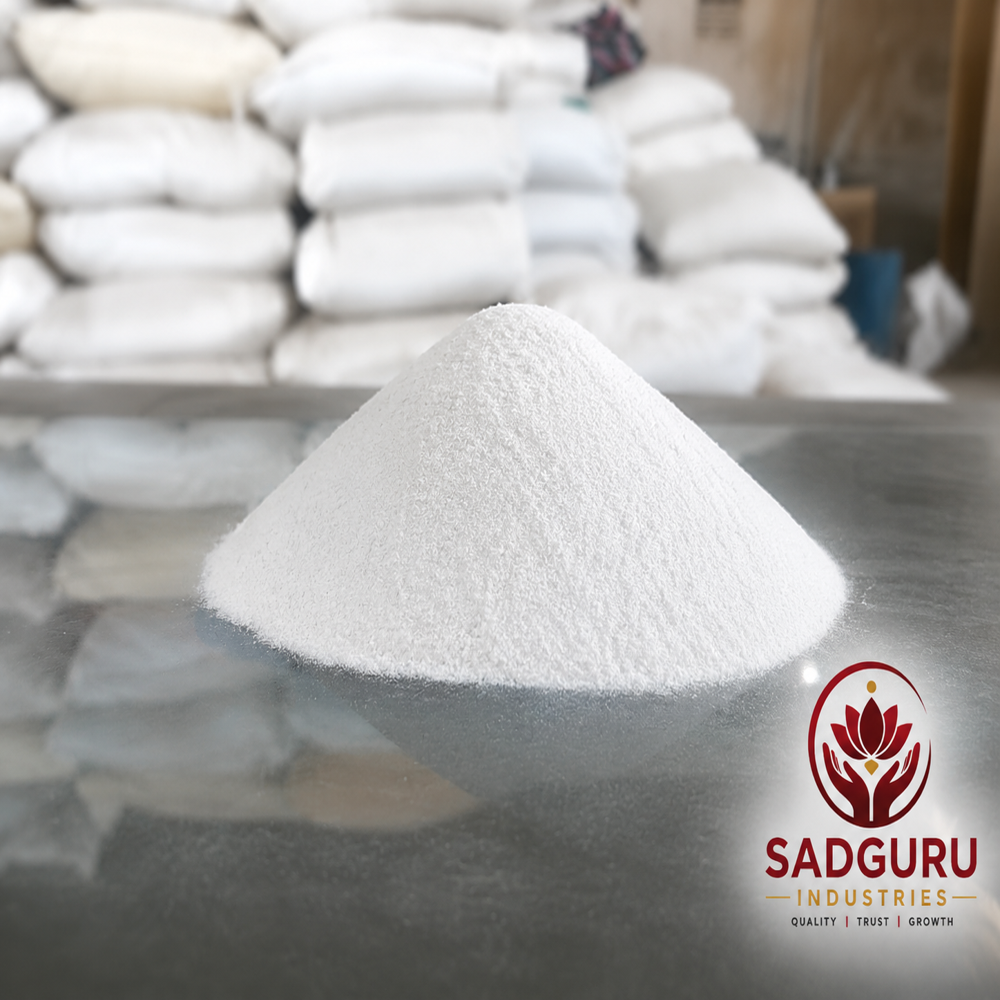
White Glass Powder is a high-quality, finely processed glass powder manufactured from premium-grade white glass. It offers excellent whiteness, consistent particle size, and high purity, making it suitable for a wide range of industrial applications. Our glass powder is produced using advanced grinding and quality control processes to ensure superior performance and reliable results.
It is widely used in the ceramic, glass, paint, coating, construction, epoxy, adhesive, decorative, composite, and chemical industries. White Glass Powder enhances product strength, improves surface finish, increases durability, and provides excellent chemical and thermal stability.
Features
- High purity and superior whiteness
- Uniform particle size distribution
- Excellent chemical resistance
- High hardness and durability
- Low moisture content
- Eco-friendly and recyclable material
- Excellent compatibility with various industrial formulations
Applications
- Ceramic and vitrified tile manufacturing
- Glass and fiberglass industry
- Paints and powder coatings
- Epoxy flooring and resin systems
- Construction materials and cement products
- Decorative finishes and terrazzo flooring
- Adhesives and sealants
- Composite materials
- Chemical processing industries
Specifications
- Product Name: White Glass Powder
- Color: White
- Form: Fine Powder
- Purity: High
- Particle Size: Available as per customer requirement
- Packaging: 25 kg, 50 kg bags or customized packaging
- Origin: India
We manufacture and supply premium-quality White Glass Powder with consistent quality and customized particle sizes to meet the specific requirements of our customers. Bulk orders and OEM packaging are available at competitive prices.
Customizable Versatility for Industrial DemandsGlass powder comes in particle sizes from 20 to 400 mesh, allowing tailored applications across industries like ceramics, paints, construction, and abrasives. The customizable mesh range ensures compatibility with various processes, enhancing material integration and performance in both specialized and large-scale environments.
Safety, Stability, and Environmental ResponsibilityStringently manufactured glass powder is non-hazardous, non-toxic, and aligns with RoHS standards, ensuring minimal heavy metal presence. Its non-flammable and eco-friendly properties make it a responsible choice for industrial or construction use, while high thermal stability allows effective operation under extreme temperatures.
Reliable Packaging and Long-Term StoragePackaging options include 25 kg, 50 kg, or jumbo bags to suit storage and transport requirements. Maintaining glass powder in airtight, dry containers ensures its chemical and structural integrity, supporting an unlimited shelf life for continuous industrial reliability.
FAQ's of Glass Powder for Industrial Use:
Q: How is glass powder produced for industrial applications?
A: Glass powder is manufactured through a series of steps: the raw glass (typically soda-lime silicate) is crushed, milled, sieved to the desired mesh (20-400 mesh), and finally dried to control moisture content. This process yields a fine, amorphous, and pure white powder suitable for industrial uses.
Q: What are the main industrial uses of white glass powder?
A: White glass powder finds broad applications in ceramics, paints, construction, abrasives, industrial fillers, tile glazing, road markings, and glass manufacturing due to its high purity, thermal stability, and chemical inertness.
Q: When should glass powder be substituted for other fillers or abrasives?
A: Glass powder is ideal when high thermal stability, non-flammability, eco-friendliness, and compliance with RoHS heavy metal standards are required. Its amorphous structure and neutral pH make it a preferred choice for processes demanding stability and environmental safety.
Q: Where and how should glass powder be stored to maintain quality?
A: Glass powder should be kept in airtight, dry containers-such as the supplied 25 kg, 50 kg, or jumbo bags-to protect against moisture (maintaining <0.5% content) and contamination. Proper storage ensures its unlimited shelf life and consistent industrial performance.
Q: What are the benefits of using this glass powder in manufacturing?
A: Key benefits include high chemical purity, excellent thermal and chemical stability, non-flammability, eco-safety, and versatility across multiple industries. Its compliance with strict industrial norms and eco-friendly profile further enhance process efficiency and product integrity.
Q: How does the product's compliance with RoHS impact its suitability in manufacturing?
A: The glass powder complies with RoHS directives, ensuring minimal content of hazardous heavy metals. This makes it safer for environmental and human health, meeting regulatory standards across various international markets for industrial use.





 Send Inquiry



 Send Inquiry
 Send Inquiry
 Send SMS
 Call Me Free